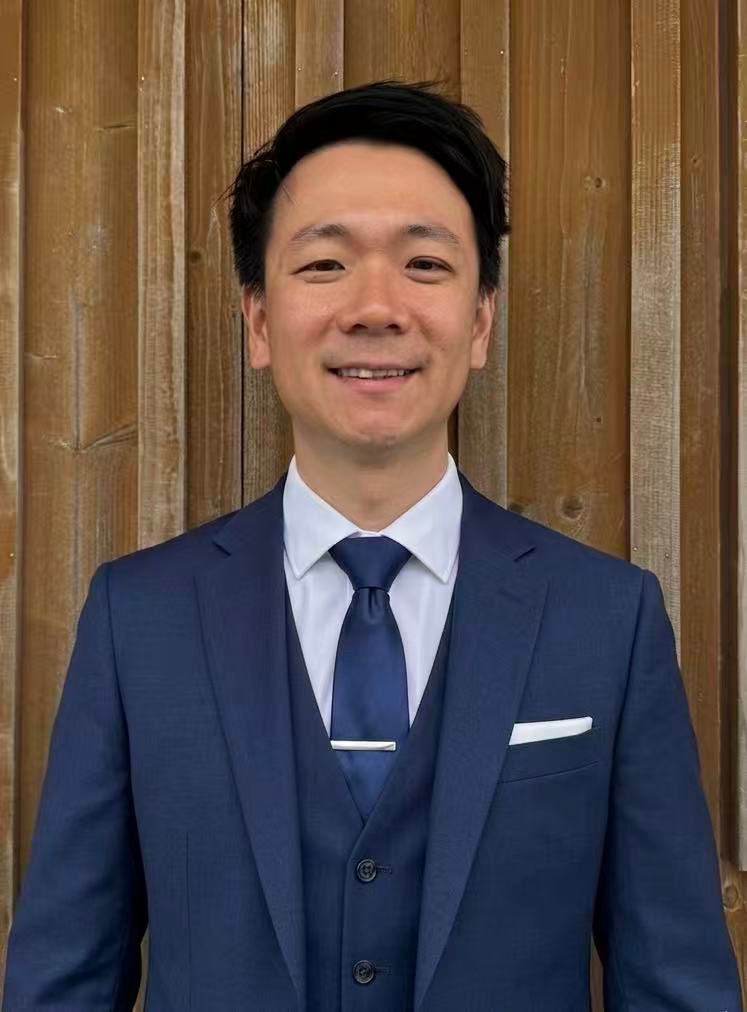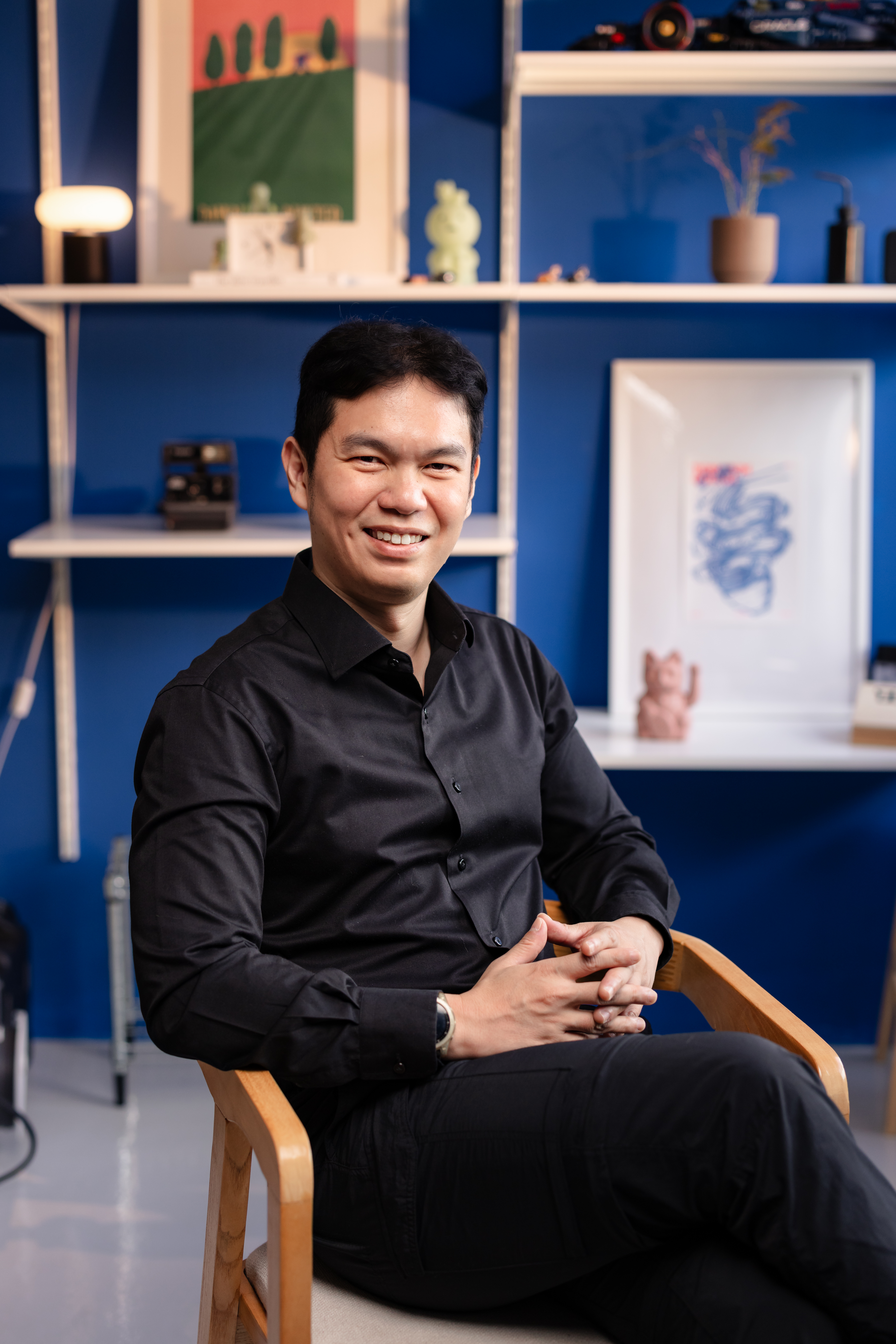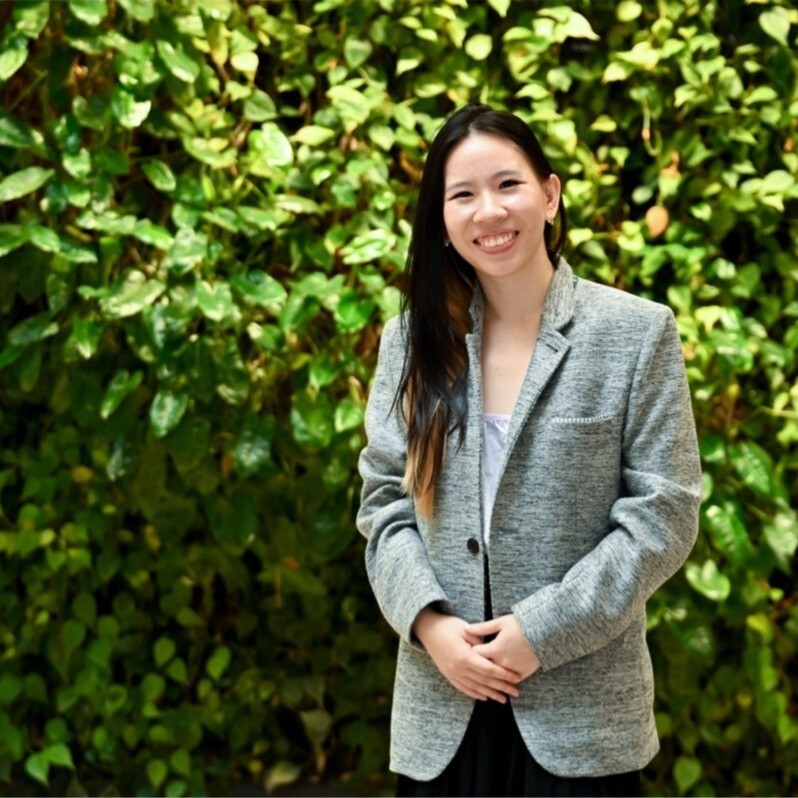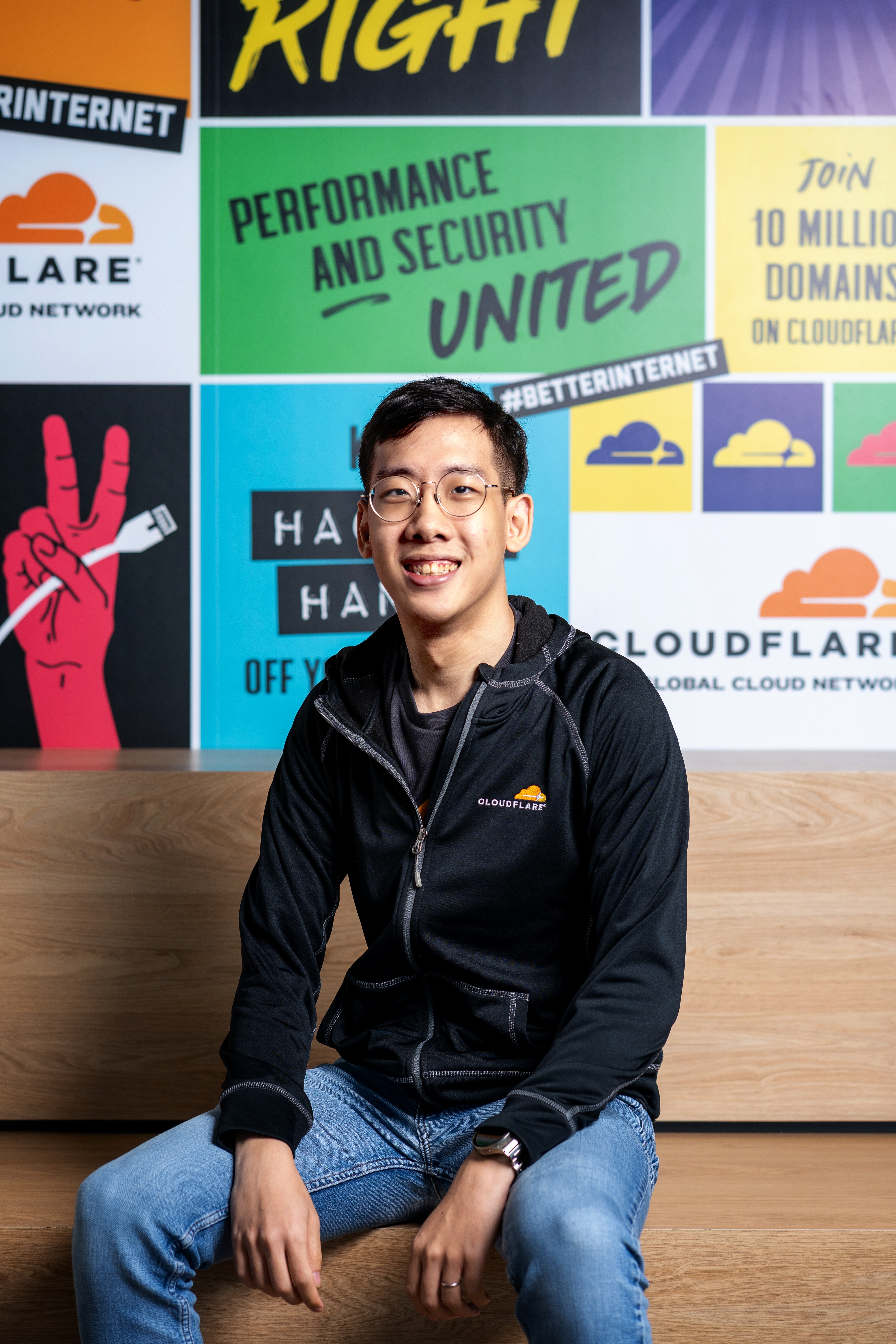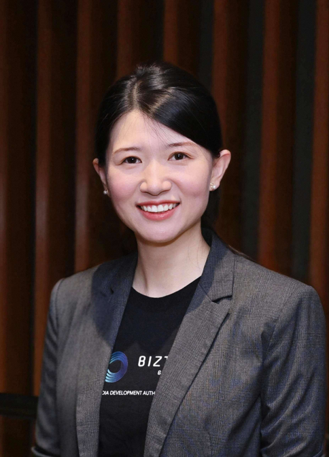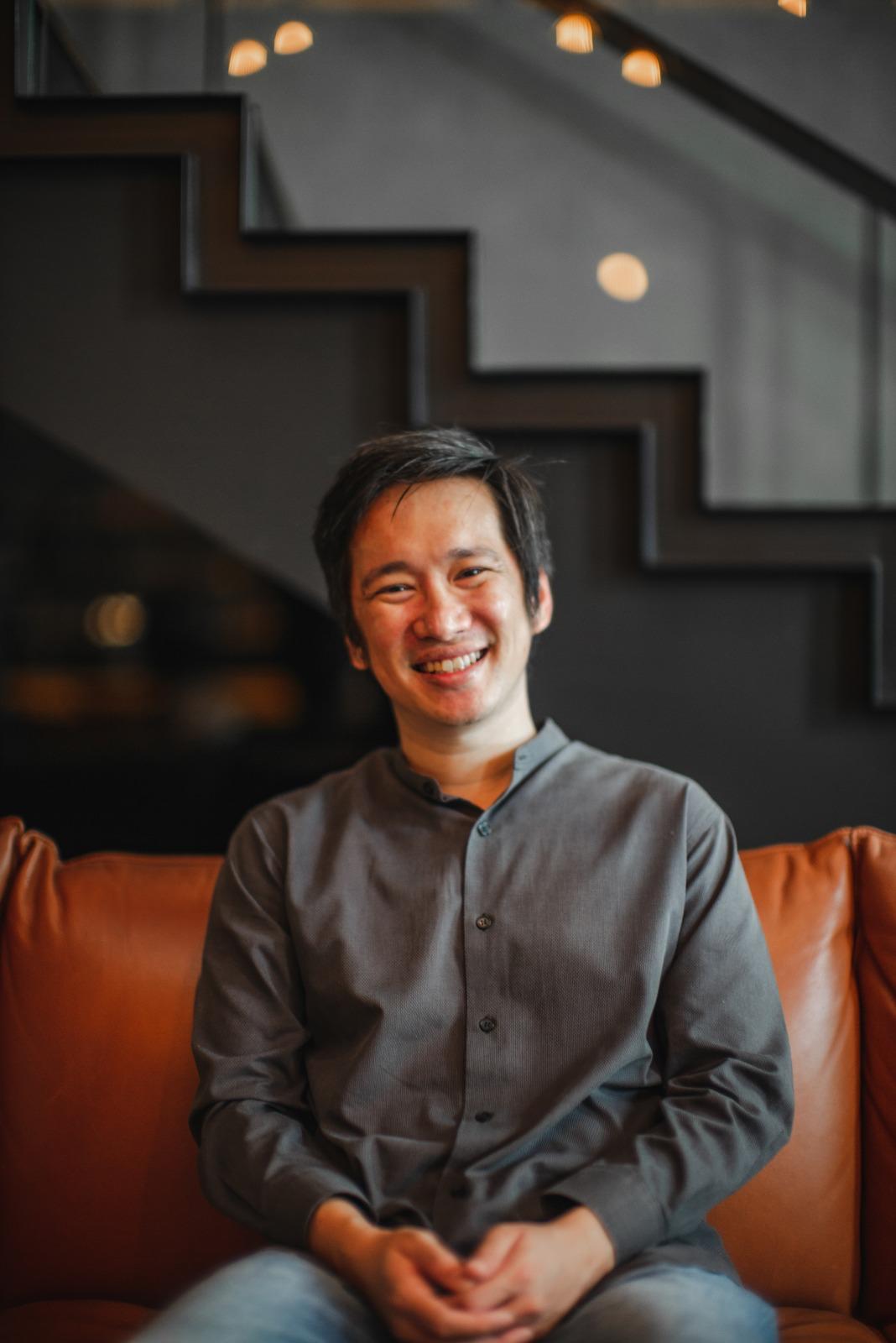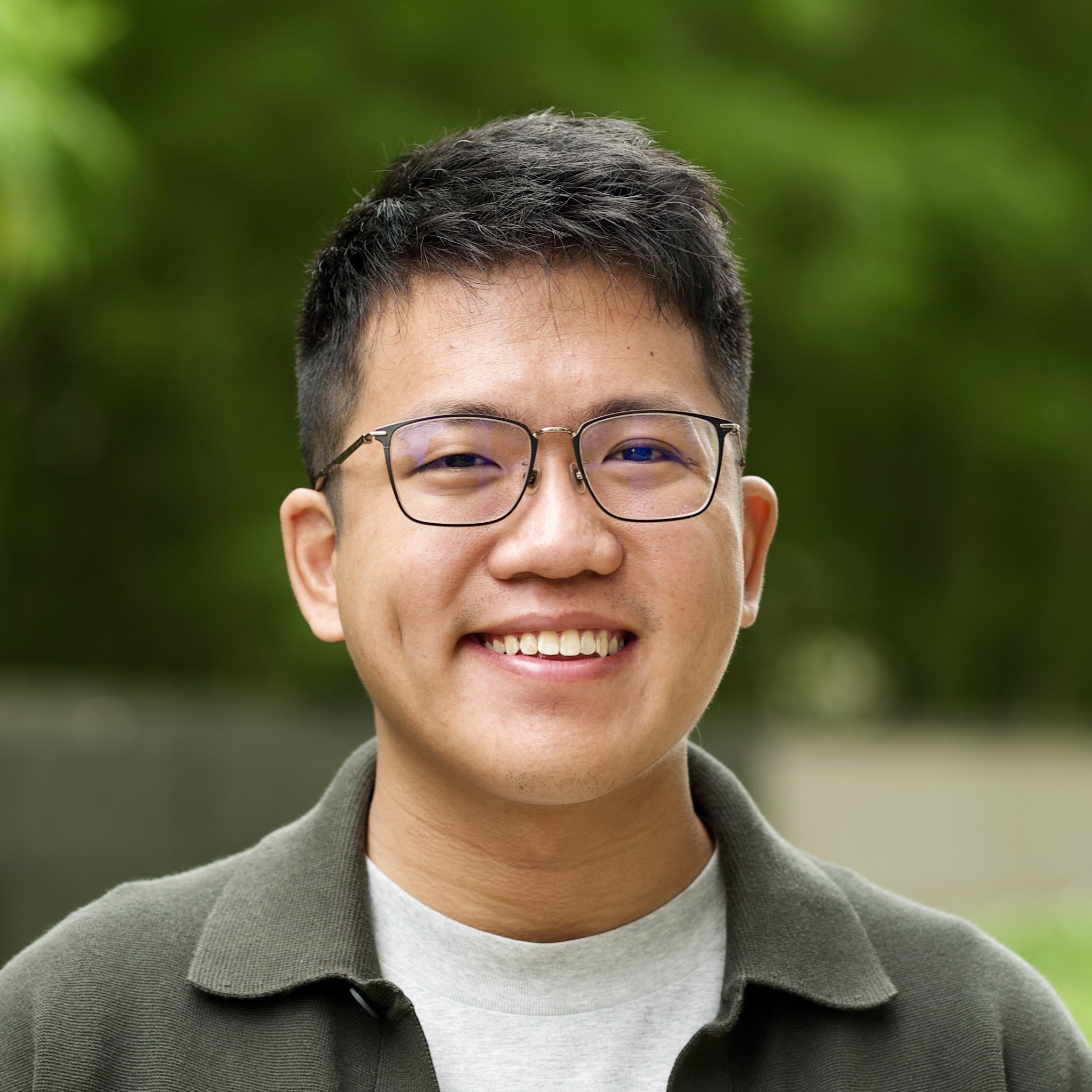
Field 01 / 05
AI in Training
How models learn, adapt and improve after deployment.
17 August · 09:40–11:50
In the conversation
The LaunchPad AI SymposiumAcacia College, National University of Singapore17 to 18 August 2026
Students only. Hear from the researchers, builders and operators setting the standard for how AI is trained, deployed, embodied, trusted and used.
The community behind the symposium
 Jane Street
 GriffinLabs
 SemiAnalysis
 Zo Computer
 IMDA
IMDA Acacia College
 OpenAI
 Agnes AI
 AI Singapore
 Cloudflare
 GMI
GMI ArkVerse
 Kabam
Kabam Neo Research
 Nebius
 NUS Computing
 Reactor School
 ShopBack
 The Collective
 TRC
TRC Acacia AI Society
 NUS Computing AI Society
 StartIT
Platinum: Jane Street and GriffinLabs.
Gold: SemiAnalysis and Zo Computer.
Supported By: Infocomm Media Development Authority, Acacia College, and OpenAI.
Partners: Agnes AI, AI Singapore, Cloudflare, GMI, ArkVerse, Kabam Robotics, Neo Research, Nebius, NUS Computing, National University of Singapore, Reactor School, ShopBack, The Collective, and The Robot Company.
Organised by: Acacia AI Society, NUS Computing AI Society, and StartIT, NUS Computing Technopreneurship Society.
Research, infrastructure, robotics, policy and product belong in the same conversation.
Explore the five themes →Why this room exists
A breakthrough in training changes what models can do. Infrastructure decides whether they can run. Robots give them a body. Products put them in people’s hands. Social norms decide whether they belong there.
The LaunchPad AI Symposium brings those decisions together while they are still being made.
How models learn from data and feedback — and the trade-offs in capability, cost and safety.
The compute, infrastructure and operations that turn a model into a dependable service.
What changes when AI can sense, move and act in physical environments.
The safeguards, human norms and accountability that earn AI permission to participate.
The products and workflows that make capability useful enough for people to choose.
2days at Acacia College
5connected themes
300+people in the room
Five connected fields
The programme follows the decisions that turn capability into something people can run, encounter, trust and use.
Field 01 / 05
How models learn, adapt and improve after deployment.
17 August · 09:40–11:50

Field 02 / 05
The compute, systems and operational choices that decide what ships.
17 August · 13:00–15:20
Field 03 / 05
What changes when intelligence gains sensors, movement and a place in the physical world.
17 August · 15:40–17:40
Field 04 / 05
How AI reads people, learns social expectations and earns the right to act among us.
18 August · 09:40–11:50
Field 05 / 05
How capability becomes something people choose, trust and use.
18 August · 14:00–16:00
The 2026 speaker programme
Seventeen practitioners across five fields, with the full programme retained below.
Agnes AI
How We Built Agnes AI
Agnes AI
How We Built Agnes AI
Adaption Labs
Why the Future of AI Belongs to the Adaptive
AI Singapore
How We Built SEA-LION for South East Asia
SemiAnalysis
Scale Up Sophistry: Copper vs Optical is a False Dilemma
Nebius
Nebius AI Cloud — A Technical Overview
Cloudflare
Leveraging AI to Diagnose and Maintain the Servers in Serverless Infrastructure
Cloudflare
The AI-Native Internet: What Happens When Agents Become Users?
The Robot Company
Bridging the Deployment Gap
Kabam
Beyond Physical AI: Interoperability Through Physical APIs
Griffin Labs
The Myth of Generalized Robots
NUS Computing
Scaling Rational Cooperative Intelligence for Pluralistic AI Futures
IMDA
Assessing AI Chatbots’ Responses to Suicide and Self-Harm Risks
Neo Research
Evaluating the Open Frontier: Harmful Manipulation and Loss-of-Control Risks
ShopBack
How AI Is Changing Product Management
OpenAI
Reflections from Codexmaxxing
ArkVerse
Human Transformers: Using Cognitive Science to Build True AI Product Efficacy
The programme
Two days across five AI themes, with time set aside to meet the people building, funding and hiring in the field.
The room is part of the programme
More than 20 partners and mentors are joining us to share what they are building and meet students. Many are founders, and many are hiring.
View the full programmeParticipants include Students, Student builders, Student researchers, Student founders, Student engineers, Student operators.
The 2026 archive
Legacy
Event photos and other post-event materials will be added separately.
Questions
The Symposium is for students only. You do not need to be part of the LaunchPad Challenge to attend.
The LaunchPad AI Symposium · Vol. 01From model to worldsymposium.acacia-ai.org
Dates: 17 to 18 Aug · Place: Acacia College, National University of Singapore · Themes: Five · Participants: 300+.